

The Edmonton Regional Science Fair was established to inspire Edmonton students to engage in learning and exploration. The fair showcases scientific research and developments conducted by local students. Since 1960, it has been bringing together the future leaders of Canada’s scientific community. This event offers young scientists a unique opportunity to connect with like-minded peers. In this article on edmontonski, we explore the history and unique aspects of this fair. More on edmontonski.com.
History of the Edmonton Science Fair
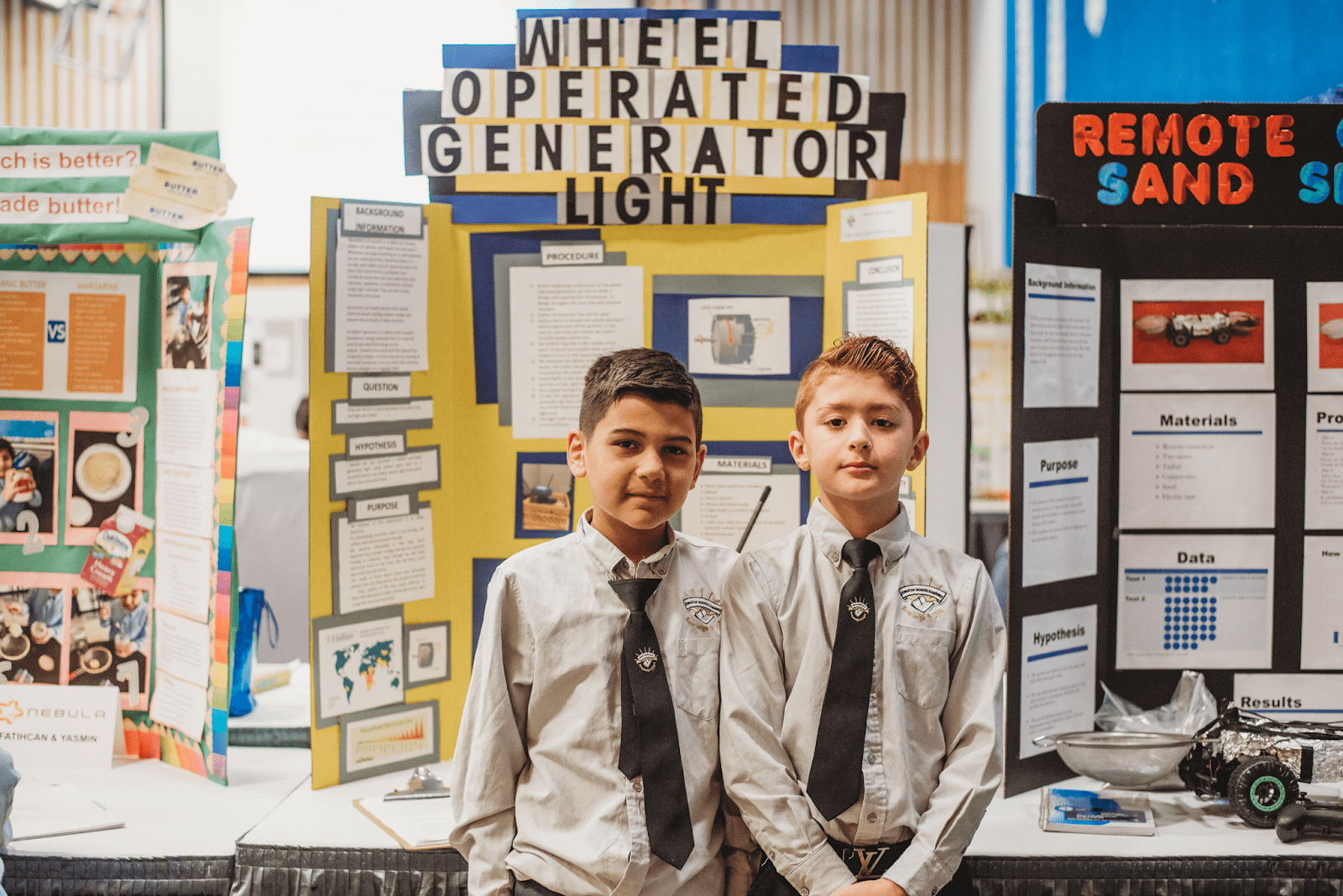
The Edmonton Science Fair was founded in 1960 when Canada began promoting its scientific and educational initiatives. During the 1970s, the fair gained popularity among students from various parts of Edmonton and surrounding areas. Schools actively supported students by providing the necessary resources.
With the advent of the 21st century, the fair experienced significant growth, and participants began presenting projects that utilized cutting-edge technologies, including programming. Over time, the event evolved into a large-scale platform, making participation a must for anyone aspiring to establish a name in the scientific community.
Features of the Science Fair
The fair allows students to present their work to the public and network with other young scientists. It is open to students from grades 4 to 12 within the city and surrounding regions. Students can register through their school’s science fair or independently if their school does not host one.
The Edmonton Science Fair is organized by volunteers, including leaders from Edmonton’s scientific, educational, and business communities.
Participants must adhere to specific safety and ethical guidelines. Projects involving humans or animals require pre-approval from the jury. If experiments involve people, participants must obtain their written consent. Copies of the signed consent forms must be included in the registration materials. Similarly, projects using animals require a special form available on the event’s website.
Fair Categories
Students compete in several categories:
- Experiments: This category involves testing a hypothesis through research. To score highly, students must design an original experiment and achieve unexpected results.
- Research: This category focuses on analyzing data to explain a specific phenomenon. High scores require research based on observations or scientific literature, with logical cause-and-effect reasoning and unique conclusions.
- Innovation: In this category, students develop and evaluate devices, models, or processes. Top-scoring projects often feature innovations with significant economic impact or societal benefits.
Tips for Success
The fair organizers provide advice for participants, emphasizing confidence in their work and themselves. They recommend getting a good night’s sleep, having a nutritious breakfast, and choosing a neat and conservative appearance. Students should avoid eating in front of the judges and maintain good posture when judges visit the exhibit area.
A critical component is the interview. Participants should prepare but remain authentic, engaging in a natural dialogue that highlights their individuality.
Conclusion
The Edmonton Regional Science Fair is an excellent opportunity for young scientists to showcase their best research and make a name for themselves. It also allows participants to develop communication skills, meet fascinating individuals, and compete in a supportive and eco-friendly environment.