

She always fought for beauty, life, and Edmonton’s natural spaces. Margaret Chappell was an activist who called on people to protect nature, river valleys, ravines, and Edmonton’s hidden gems. Learn more on edmontonski.
A Passion for Art and Nature
Margaret Chappell, the only child of her parents and the wife of a young doctor, grew up surrounded by comfort. From an early age, she was deeply fascinated by art and nature. Margaret loved her work and was uninterested in material wealth.
Her friend Dorothy Barnhouse recalled that Margaret was an inspiration. She always wore stylish clothes and had a remarkable talent for painting. She was constantly offered lead roles in popular plays of the time, and many women envied her, especially when they saw her with her devoted husband.
Even during challenging times, Margaret displayed a rebellious spirit that eventually led her to organize one of Edmonton’s most renowned environmental campaigns. Raised in a religious family that rejected modern medicine, her parents opposed her marriage to her beloved, who was not only a doctor but also ten years older than her.
Margaret stood firm in her beliefs, even at the cost of family estrangement. She lived life on her terms, unconcerned with others’ opinions.
A Career in Art
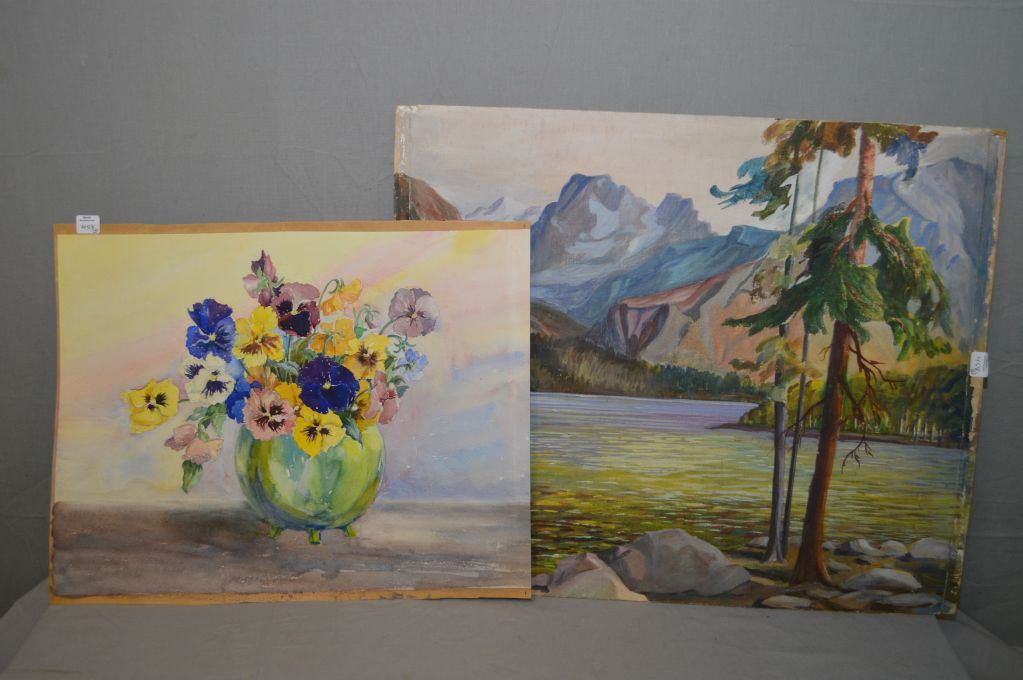
At the age of 32, Margaret decided to study fine arts at the University of Alberta, where she honed her skills as an accomplished artist. Later, she became the president of the Edmonton Art Club and the Federation of Canadian Artists.
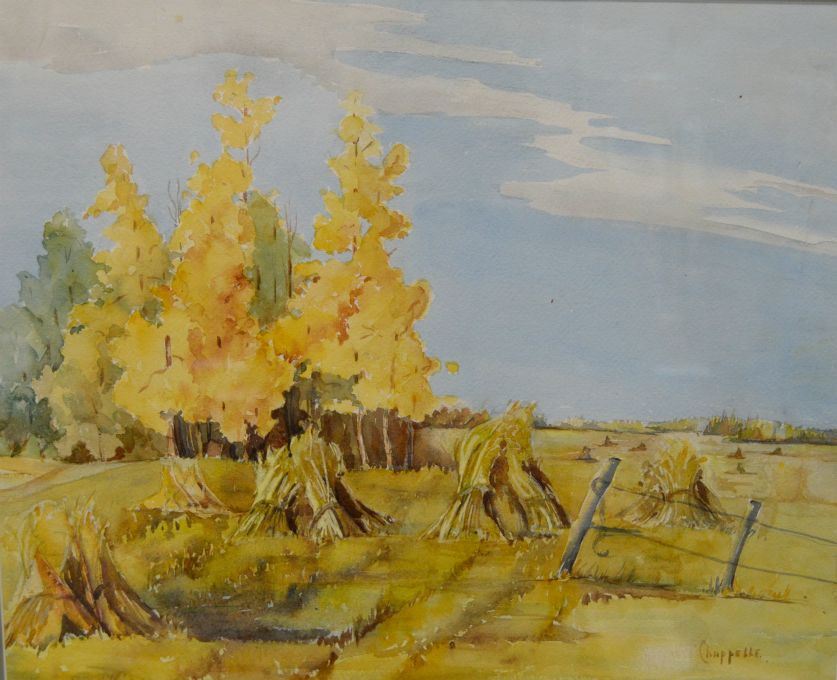
She won a prestigious medal for ceramics at the International Contemporary Ceramics Exhibition in Prague. Margaret worked in various mediums, including watercolor, acrylic, and oil. Her paintings often depicted Edmonton’s landscapes, created through meticulous research and on-site sketches. Her profound respect for nature’s beauty was evident in her works, which frequently featured the Rocky Mountains and local parks.
Although Margaret and her husband had no children, they maintained a loving marriage despite the envy and challenges they faced.
Protecting Nature: Margaret’s Fight for McKinnon Ravine
Margaret’s passion for nature took a decisive turn when urban development threatened the natural beauty in her backyard. She began an 18-year battle to protect McKinnon Ravine and Edmonton’s river valley.
As Edmonton grew and traffic congestion worsened, the city proposed constructing massive highways through five ravines in the river valleys. When plans targeted McKinnon Ravine near Margaret’s home, she and other women organized the “Save Our Parks” campaign to oppose the project, appealing directly to city officials.
Despite their efforts, the authorities pushed forward. In response, Margaret and her supporters staged protests, including physically blocking construction by lying in the path of the planned highway.
Years of resistance followed. Margaret openly condemned the city’s dishonesty, and eventually, her perseverance paid off. In 1983, the city abandoned its river valley development policy, halting the highway project. The following year, the community celebrated the opening of McKinnon Park.
A Legacy of Art and Advocacy
Margaret not only left a lasting impact on the art world but also on environmental conservation. After her victory, she continued painting and created stunning works from her backyard near the ravine. She lived modestly and contributed significantly to civic charity, leaving a legacy as a defender of both art and nature.