

Ociciwan is a powerful voice in Edmonton’s cultural life. This collective was founded by artists dedicated to supporting contemporary Indigenous art. The collective’s name, “Ociciwan,” is a Cree word meaning “the current from there,” which perfectly captures the organization’s mission: to move the artistic process forward while connecting the present with the past. In this article on edmontonski.com, we will explore the collective’s history and how its artists succeeded in opening their own contemporary art centre.
History of the Collective
The Ociciwan Contemporary Art Collective was founded in Edmonton in 2015. The core founding members were Becca Taylor, Erin Sutherland, Tiffany Shaw-Collinge, and Christi Trinier. They chose the name “Ociciwan,” meaning “the current from there,” because it powerfully conveys the energy of engaging with contemporary Indigenous culture. The name also references the local North Saskatchewan River, which brought many peoples to the region.
The collective came together organically. When the artists met, they began with a simple question: why was there so little public representation of Indigenous art?
Initially, the collective collaborated extensively with local organizations and art galleries, such as Latitude 53 Contemporary Visual Culture, dc3 Art Projects, the Art Gallery of Alberta, the Maggie and John Mitchell Art Gallery, and the Francis Winspear Centre for Music. These institutions provided a platform for presenting Indigenous art, but the founders always dreamed of having their own exhibition space.
The collective focuses on three to four major projects each year, including art exhibitions, public art, and events that introduce the community to contemporary Indigenous art. These projects foster critical dialogue about contemporary art, encourage artistic collaboration, and promote and advance diverse research.
How the Collective Founded an Art Centre
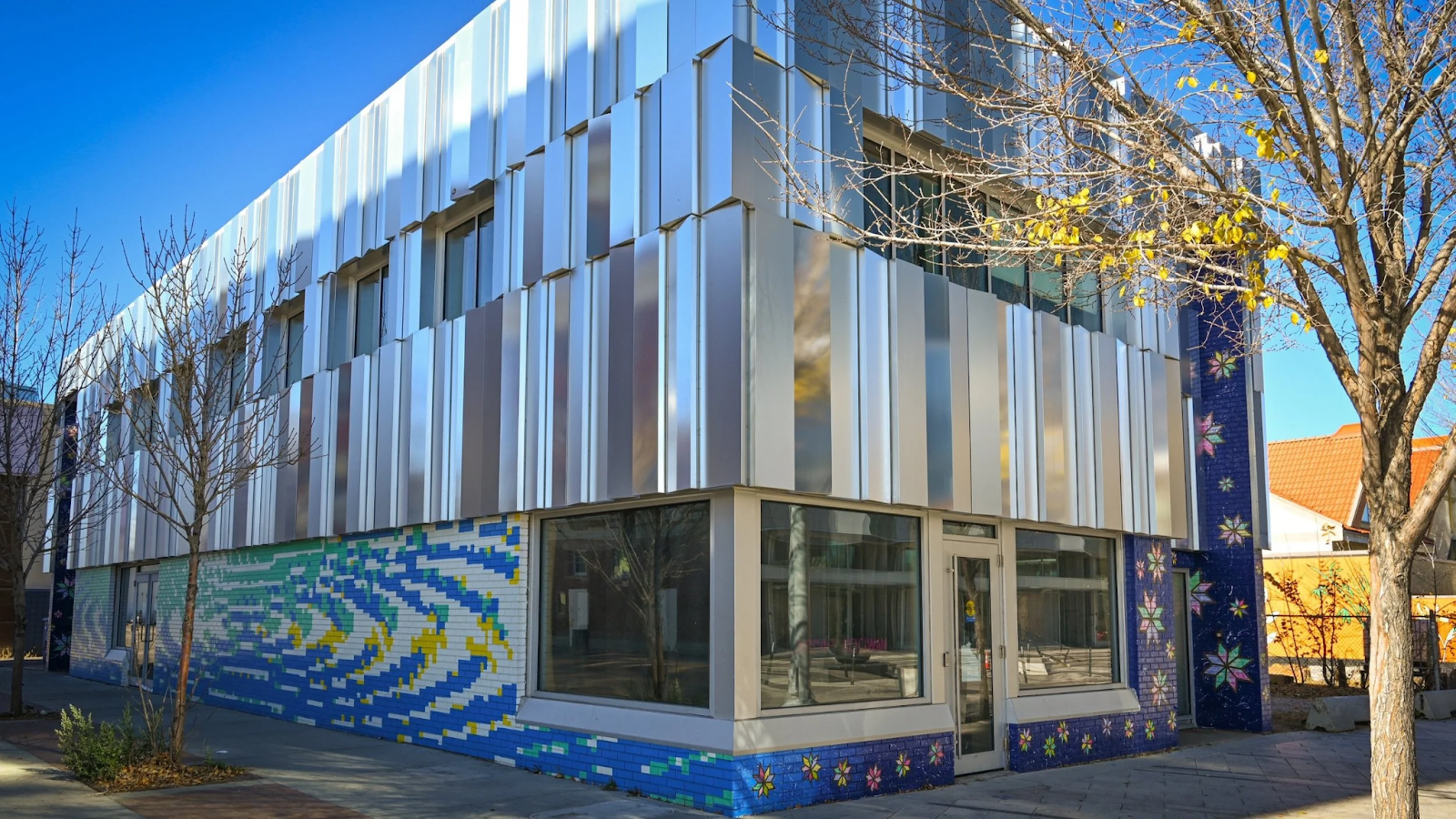
In 2018, the collective made a surprise announcement: they were opening the Ociciwan Contemporary Art Centre. This was made possible through a partnership with the city and strong community support.
The Ociciwan Contemporary Art Centre is a large, two-story, 6,945-square-foot building in downtown Edmonton, designed by Rockliff Pierzchajlo Kroman Architects. In addition to spacious exhibition areas, it features a kitchen, a library, a community space, and numerous offices. It is the first contemporary art centre to be fully managed and led by Indigenous people.
The centre is wheelchair accessible and has gender-neutral public washrooms. Ociciwan worked closely with the architects to create spaces that are family-oriented, inclusive, and accessible to everyone. Furthermore, all of the centre’s programs are free to the community, generously funded by the Canada Council for the Arts, the Alberta Foundation for the Arts, the Edmonton Arts Council, and the City of Edmonton.
Exhibitions at the Centre
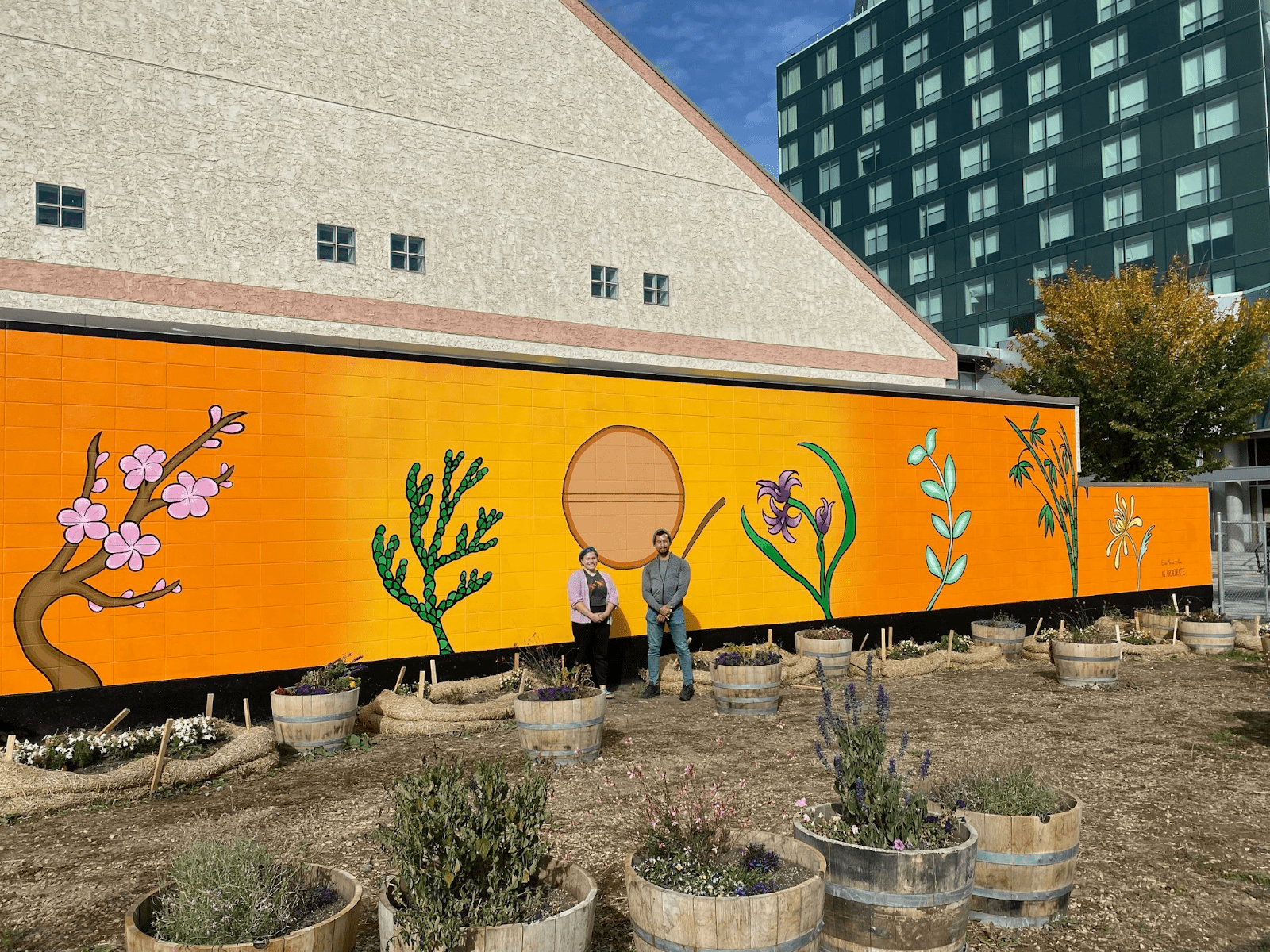
The centre hosts both temporary projects and permanent exhibitions. Among the permanent installations is the “Butterfly and Medicinal Gardens.” This garden is composed of plants native to the Americas and includes plants considered traditional Indigenous medicines. The space invites visitors to coexist with nature, focusing on reflection, interaction, and the care of medicinal plants.
Another permanent work on display is the “Star Blanket” mural by Michelle Sound. This mural is dedicated to the study of the stars, a significant practice among Cree peoples. These teachings also remind us of our relationships with our ancestors, relatives, and communities.
The final permanent work is the “Drum-Wheel” mural, which depicts sacred Indigenous medicines (tobacco, sweetgrass, cedar, and sage) alongside traditional Chinese plants (chrysanthemum, bamboo, orchid, and plum blossom), acknowledging that Edmonton’s Chinatown is located on Indigenous lands. This mural stands as a symbol of unity in the harmonious relationship between peoples.