

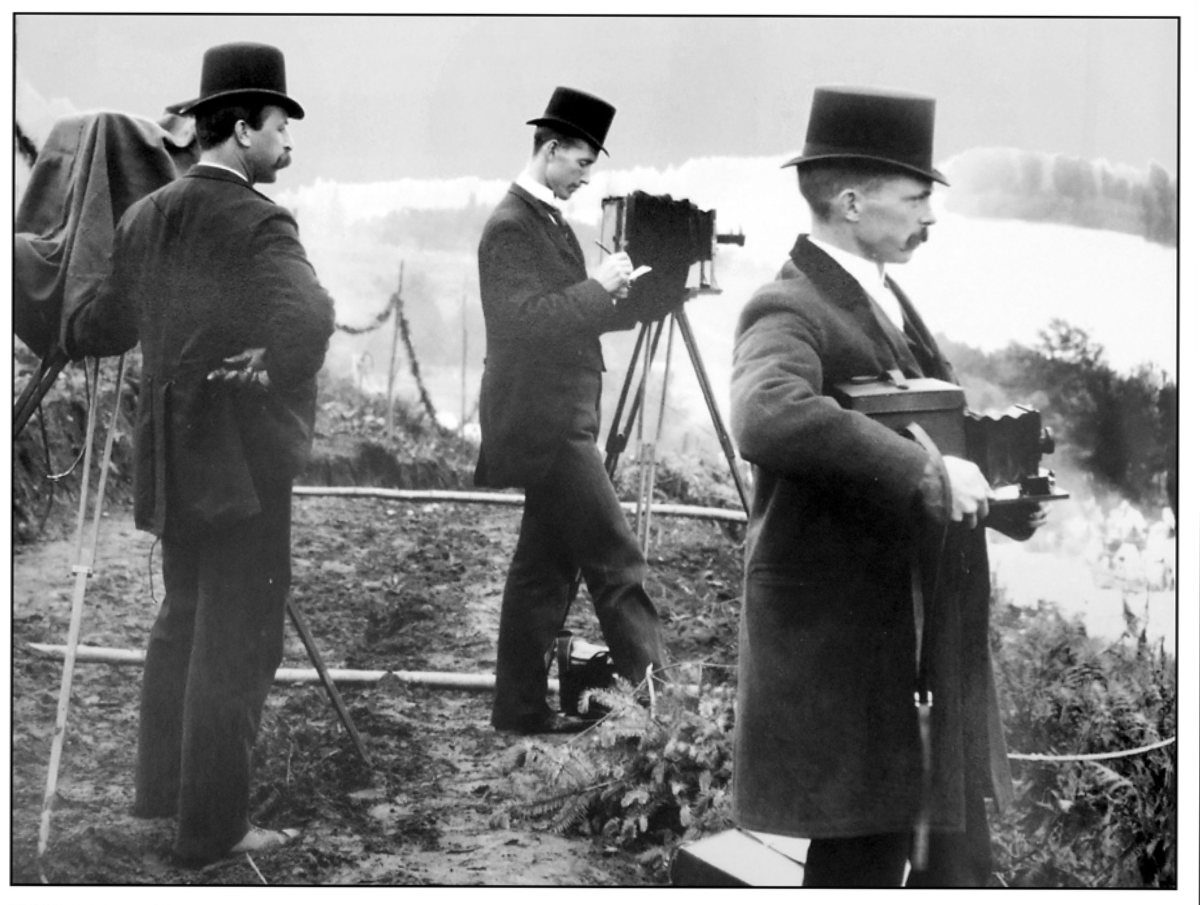
The art of photography in Edmonton dates back to the city’s fur trading days when the first cameras appeared. By the mid-1880s, several photographers were already working in the city, capturing historical records of people and places. Early archivists and government officials recognized the importance of visual history, creating extensive collections preserved in institutions like the University of Alberta Archives and local museums. Learn more on edmontonski.
The Art of Charles Mathers
In 1891, William Henson and Ernest May established Edmonton’s first photo studio on Jasper Avenue. Among their employees was a young Charles Mathers, who was only 24 at the time. Mathers quickly demonstrated his talent, and by the winter of 1893, he purchased the studio from Henson and May.
Mathers earned a stellar reputation photographing the working-class citizens of Edmonton, including gold prospectors along the North Saskatchewan River. In 1897, with his business thriving, Mathers built a new two-story wooden studio, naming it CW Mathers Art Studio.
By 1901, Mathers introduced advanced photographic techniques using glass plate negatives, producing some of Edmonton’s earliest high-quality professional photos. His work gained international acclaim, showcasing Edmonton to a global audience.
In 1904, Mathers handed over his business to his assistant, Ernest Brown, and moved west, ultimately settling in Vancouver. Mathers passed away at 82, leaving a legacy preserved in Alberta’s archives.
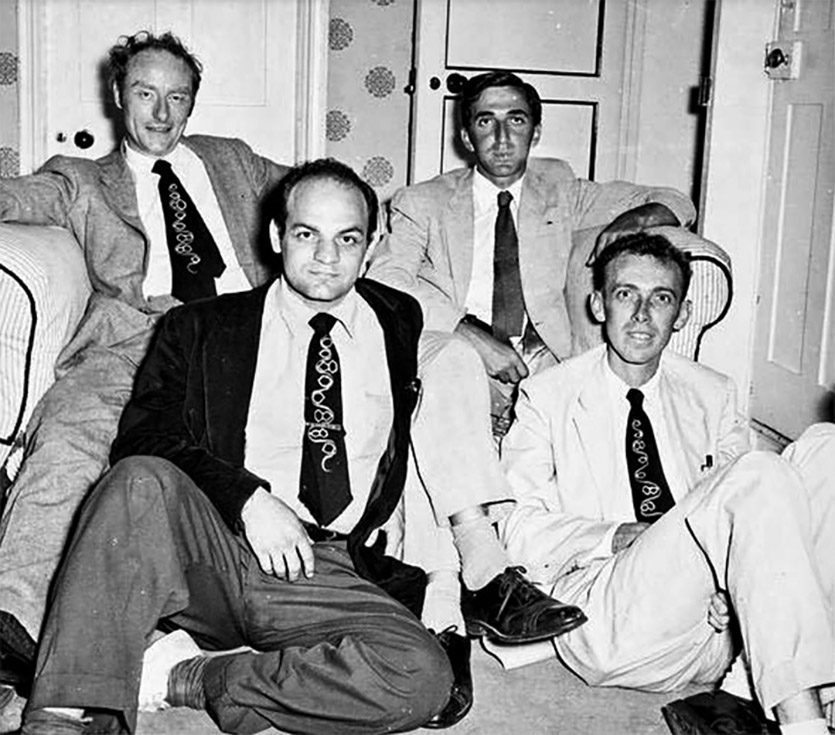
Ernest Brown: The Dedicated Apprentice
In 1904, Ernest Brown arrived in Edmonton from Newcastle, England, eager to work with Mathers. Within months, he purchased Mathers’ business and an extensive collection of photographs.
As Edmonton grew, Brown replaced the old studio with a three-story brick and steel building. This new facility included a framing factory, portrait studio, printing press, and even apartments. Despite his initial success, the economic challenges of World War I led to financial difficulties, and Brown’s building was repossessed in 1920.
In 1947, Brown sold his collection of over 40,000 photographs to the Alberta government. His works, documenting Edmonton’s early development, are preserved in Alberta’s archives.
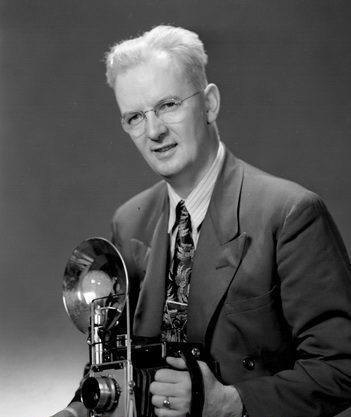
Gladys Reeves: Edmonton’s Trailblazing Female Photographer
Gladys Reeves arrived in Edmonton from England in 1904. At 15, she began working at Ernest Brown’s studio, sparking a 46-year collaboration.
In 1920, Reeves opened her own studio, The Art League, becoming the first woman west of Winnipeg to run a photography studio. However, a devastating fire in 1929 destroyed her studio and equipment. With help from Brown and others, Reeves rebuilt her business, operating until 1950.
Beyond photography, Reeves was an avid gardener and community leader. As president of the Edmonton Horticultural Society, she planted over 4,000 trees across the city. Her legacy lives on through her photographs and her contributions to Edmonton’s natural beauty.
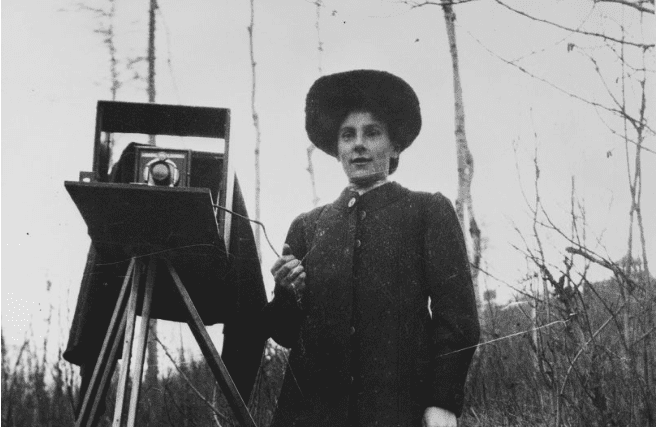
Mortimer Burgess: The Portraitist of Childhood
Born in England, Mortimer Burgess brought his photographic expertise to Edmonton in 1920. During his 14-year career, he photographed over 7,000 children, soldiers, and community members. His glass plate negatives, preserved in Edmonton’s archives, provide a vivid snapshot of the city’s history.
Burgess operated several studios throughout his career, including the Alderson Studio, where he worked until his death.
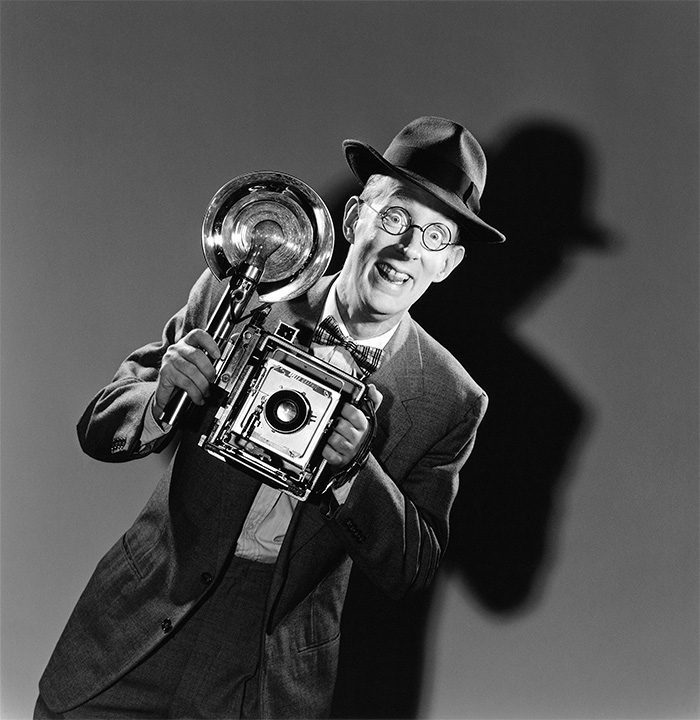
Alfred Blyth: A Global Photography Icon
Alfred Blyth dedicated over 60 years to photographing Edmonton’s development and its people. Born in Scotland, Blyth moved to Edmonton in 1913, beginning his photography career in 1916. By 1928, he had opened his own studio.
Blyth captured many iconic moments, including the visits of Queen Elizabeth II and Prince Philip. His photo of Maligne Lake won a gold medal at an international competition in Amsterdam in 1953, cementing his reputation as one of the world’s best photographers. Blyth’s collection of over 20,000 images is housed in Alberta’s archives and showcased at the Alberta Museum.
Hubert Hollingworth: The Chronicler of the Working Class
Hubert Hollingworth’s photography focused on Edmonton’s working class, capturing coal trucks, drivers, and laborers. Over his lifetime, Hollingworth produced more than 12,000 photographs and slides, with many preserved in Edmonton’s archives. His work remains a testament to the city’s industrial heritage.