

When Nellie Carlson moved to Edmonton, she began her fight for justice by founding a unique advocacy group called “Indian Rights for Indian Women.” Her efforts helped restore treaty rights for over 160,000 Indigenous Canadians who had been stripped of their heritage. Read more about her remarkable journey on edmontonski.
How It All Began
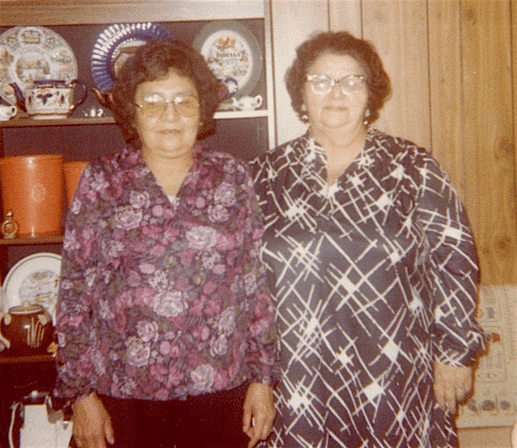
When Nellie married Elmer Carlson, it took just a few days for the Canadian government to inform her that she was no longer recognized as an Indian. Due to racist provisions in the Indian Act, Indigenous women lost their status if they married a Métis or non-Indigenous man.
Elmer, though a direct descendant of a Cree chief, was classified as Métis because his lineage came from his mother, Helen, who had lost her status when she married a Swedish descendant. Under federal law, this meant that Nellie also lost her legal identity as an Indigenous person upon marriage.
However, the law was deeply biased—when an Indigenous man married a non-Indigenous woman, she and their children automatically gained status. This gave them inheritance rights, land ownership privileges, and voting rights in band elections.
In 1951, Canada established the national Indian registry, which gave local Indian agents unchecked power to remove names at will. These agents used the threat of removal to silence those who spoke out against injustice.
But Nellie Carlson refused to stay silent.
At age five, Nellie was forced into an Indian residential school in Edmonton, where she endured horrific abuse. The physical and psychological wounds she suffered shaped her lifelong mission to fight discrimination and demand justice.
A Defining Moment
On a train to Edmonton, Nellie witnessed a white man harassing a young Indigenous woman. Without hesitation, she shoved him into a seat and warned that if he did not leave her alone, she would send him to an Indigenous death colony. Fearless and unshaken, this tiny but fierce woman always stood up for those who needed a voice.
By the time Carlson founded her organization, Alberta already had several Indigenous advocacy groups, including the Indian Association of Alberta. However, many Indigenous men opposed Nellie’s efforts, believing that women who married outside their status had to accept the consequences—no matter the cost.
Nellie and her group faced threats, harassment, and even death threats from both non-Indigenous people and Indigenous men. Despite the intimidation, they pressed forward, forcing the government to take action.
Carlson and her allies met with then-Prime Minister Pierre Trudeau, advocating for gender equality in the Indian Act. After years of relentless activism, their fight ended in victory.
In 1985, the Canadian government finally passed a law restoring gender equality in the Indian Act. Thousands of Indigenous women regained their rights, and many Indigenous families were finally reinstated into their communities.
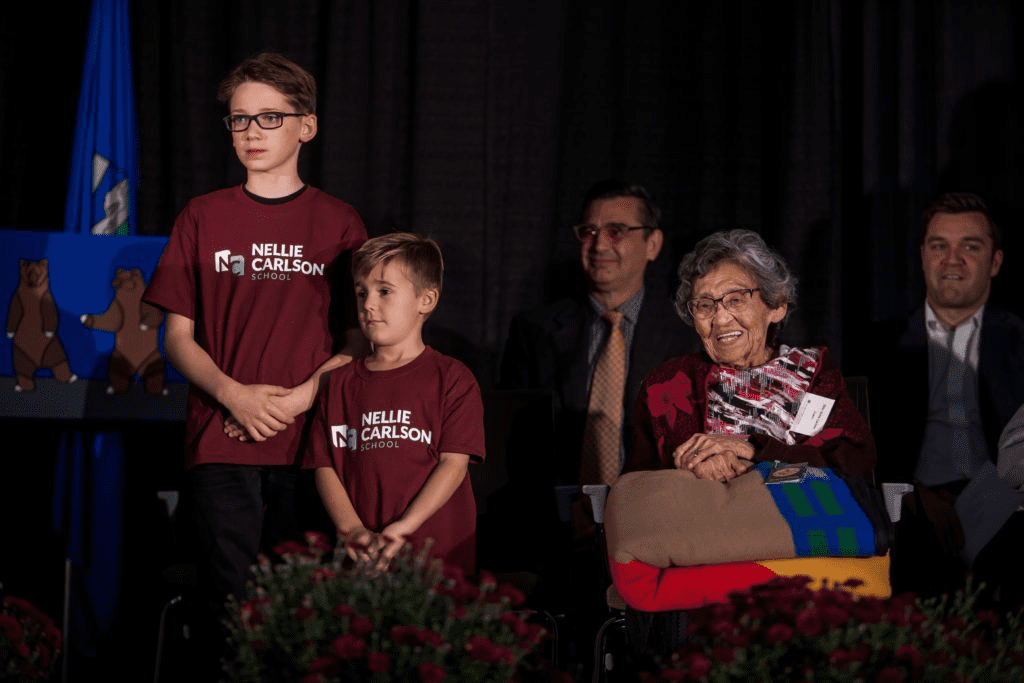
For her groundbreaking work, Nellie Carlson received numerous honors, including having a school in Edmonton named after her. Even the Governor General of Canada personally awarded her a national honor.
Despite the recognition, Nellie remained humble, stating in an interview that her fight was never for fame or money—it was for the rights of women and children.
Though the 1985 reform was a major step forward, some governments still resisted fully reinstating Indigenous women and their children. The final breakthrough came in 2010, when Sharon McIvor filed a lawsuit challenging the remaining discriminatory provisions of the Indian Act. This legal challenge forced further changes, ensuring that Indigenous women and their descendants could no longer be denied their rightful status.Through her unwavering courage and determination, Nellie Carlson changed the course of history, proving that one voice can lead to lasting justice.