

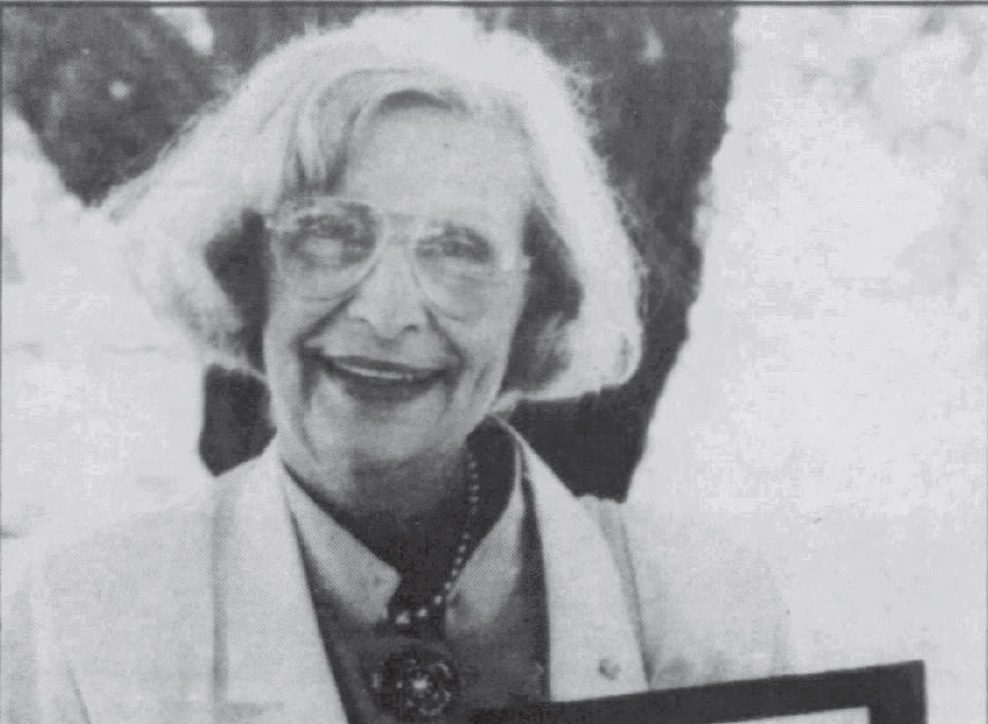
She took pride in her faith – Islam – and the remarkable work she accomplished. Her primary goal was to support Muslim women and girls. Additionally, Lila was an advocate for interfaith dialogue, travelling extensively and helping to build networks for intercultural exchange between different religious groups. More on edmontonski.
How Her Fame Began
It was Canada Day in 1935. Eleven-year-old Lila and her mother were attending a peaceful labour rally. Many people had gathered at Regina’s Market Square as part of the “On to Ottawa Trek” during the Great Depression. Hundreds of men were travelling east, demanding better working conditions in federal labour camps.
The Great Depression had affected many people. Mounted police on horseback charged into the crowd, beating people. Lila’s mother quickly grabbed her hand and fled. She was furious, saying that no one had the right to take away people’s freedom, especially when all they wanted was food and work. Her mother’s courage became a profound lesson for young Lila.
Over the years, Lila applied these lessons in her own life. Known for her honesty and unwavering determination, she raised three children on her own. At the age of 34, she began working as a teacher at a university while actively engaging in public and advocacy work. Guided by her strong Islamic faith, she focused her efforts on combating violence against women and promoting interfaith dialogue.
Her greatest passion outside her family was supporting immigrant women and children in Edmonton. She made it her mission to help Muslim women, especially newcomers, create spaces to learn about their traditional rights in Islam. Many women she encountered had no voice, and she wanted to empower them.
Founding the Canadian Council of Muslim Women
In 1982, Fahlman founded the Canadian Council of Muslim Women. The idea came to her while attending a Canadian Islamic men’s council meeting. In its first year, the council focused on educating new members. Often, the discussions were so thorough that the Quran itself became a focal point. Over the decades, more than 1,000 Canadian women joined the council. Their mandate grew to include education, research, publications, legal resources, and more.
Taking on Global Challenges
As the organization flourished, it became self-sustaining. In 1992, Lila shifted her focus to a new project: founding the Global Muslim Women’s Council. This initiative aimed to advance the education of Muslim women both in Canada and abroad.
Lila was proud of her work and faith, practising and advocating for it while fostering close friendships with women of various religions. Soon, she became Vice Chair of the World Interfaith Education Association and a co-founder of the Edmonton Interfaith Centre.
Fahlman also devoted much of her time to preserving some of Edmonton’s architectural treasures. Her father, Sayed, a Syrian immigrant, helped build Edmonton’s original Al-Rashid Mosque. It became the first mosque in both the city and Canada. As president of the Society for the Preservation of Historic Homes, she led efforts to save the Rutherford House from demolition.
Recognition and Legacy
Lila became the first woman in Canada to earn a PhD in educational philosophy and the first Muslim woman to work in a public school. For these achievements, she was awarded the Order of Canada.